Category: Visual Cultural Theory
-
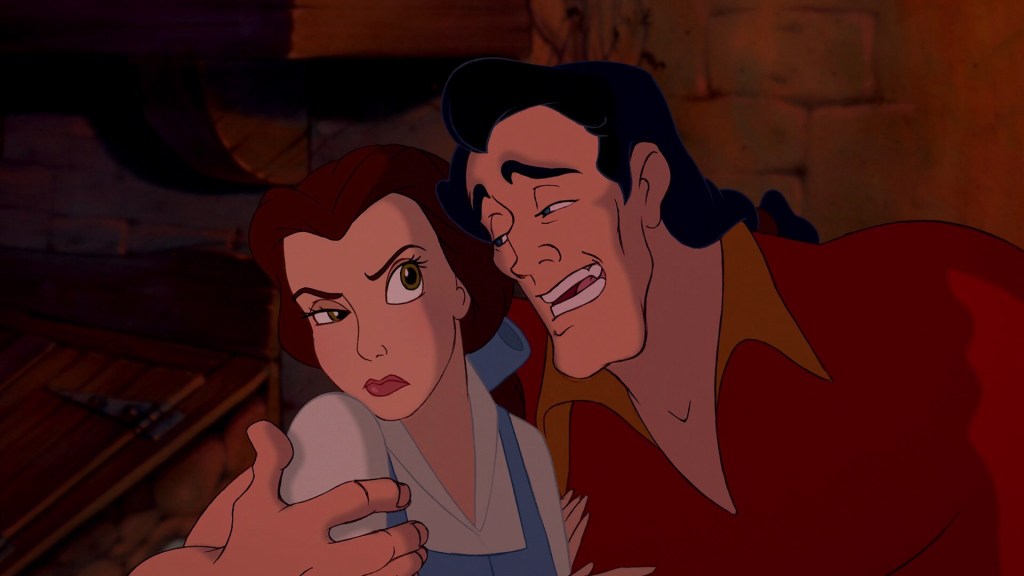
Wicked Wiles: How Feminist Is Disney’s ‘Beauty & The Beast’?
This article is part of the ‘Wicked Wiles’ series examining the positive and negative messages on gender that Disney Princess films impart to their target audience – girls.
-
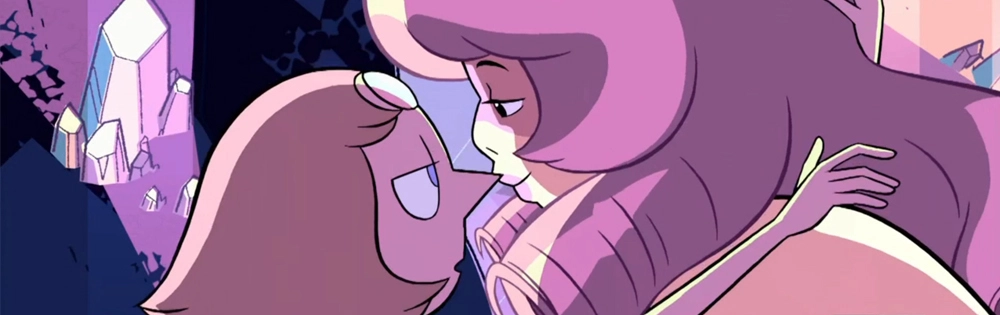
Won’t Somebody Please Think Of The Children? – Steven Universe And The ‘Gay Agenda’ In Kid’s Cartoons
Like every other form of mass commercial entertainment, cartoon creators have to continually walk a fine line between cookie-cutter commercialism and original artistic expression; between pleasing their ratings-obsessed executives and staying true to their visions as storytellers. But what do you do when this vision involves a young boy being raised by a group of…
-
Wicked Wiles: Little Mermaid (1989)
Lyrically, ‘Part of Your World’ could be more multi-layered than you might think. On the surface, it is about a teenager’s dream of running away from home, sick of her father’s stifling rule. However, closer examination could provide deeper meaning relating to gender.
-

The Lumbersexual Proves That Masculinity Is In Crisis – And It’s a Good Thing.
An on-point lumbersexual has got his keys to his vintage truck in one hand and his brand new iPhone in the other. The perfect hyper-masculine costume for the 21st century. A parody – not an homage – of masculinity.
-
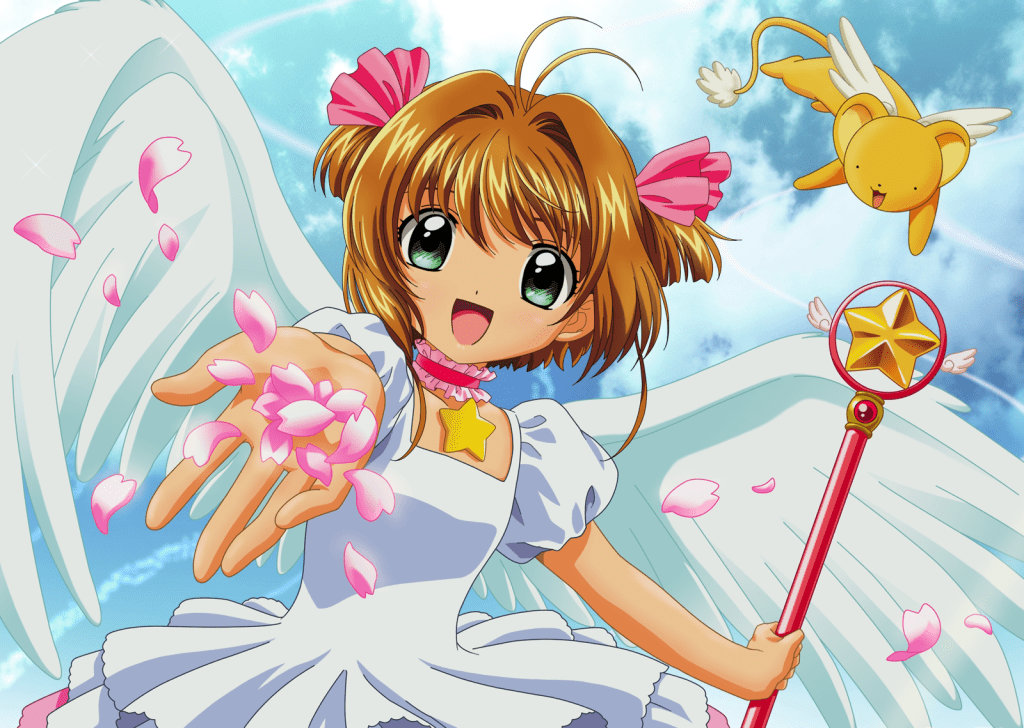
How The Female Gaze was Celebrated and Censored in Cardcaptor Sakura
Originally published for Bitch Flicks as part of their ‘Female Gaze’ theme week, 26th August 2015. With their starry eyes, cutesy costumes, Barbie-esque features, and catchphrases overflowing with dreamy positivity, the magical girls of the shojo (girls) genre of anime might not seem like the most feminist of heroines upon cursory glance. Yet, the plucky…
-

What Is The Real Feminist Message of “Mad Max: Fury Road”?
The primitivism of a world that has seemed to suffer a technological and biological man-made apocalypse in Mad Max is laid bare in the absence of plants, water, or urbanised environments. This planetary devolution has also seeped into human society as any scrap of hard-fought social changes have been stripped back to the patriarchal foundations…
-

A Female Character’s Waistline Should be as Realistic as Her Job Description
If we want our heroines to look more positively ‘realistic’ then the parameters of their realism need to be defined by their individual lifestyles just as we real women are defined by ours.
-
Wicked Wiles – Cinderella (1950)
Upon receiving the invite to the ball, Cinderella’s stepmother agrees she can attend on the condition that Cinderella completes all of her chores and has a suitable dress. When Anastasia and Drusilla object she repeats her condition: ‘I said if.’ Obviously she has no intention of letting Cinderella attend, but clearly gets some sick pleasure…
-
WICKED WILES: Snow White and The Seven Dwarfs (1937)
Grumpy: ‘She’s a female! And all females is poison! They’re full of wicked wiles!’ Bashful: ‘What are wicked wiles?’ Grumpy: ‘I don’t know, but I’m against ’em.’
-
Wicked Wiles – What Do Disney Princess Films Teach You About Being a Woman?
Nothing in this mission statement is purposefully negative or harmful, just as none of Disney’s films are. And yet, as open and expansive as it encourages young girls to be, there is also an inhibiting factor straight from the offset – this is a gender specific genre according to Disney, and as such, limiting to…
 iwantedwings